Decouple deployment from release to achieve continuous delivery with Feature Flags
Today’s developers (and users) work quickly. We’re accustomed to instant gratification, so much so that meeting user expectations for improvements and updates can begin to feel impossible. Many development teams are modernising and moving to continuous delivery and deployment to meet the rising expectations, but this can be a strain on your resources if you don’t approach implementation the right way.
In this post, we’ll explore how feature flags and remote config can help decouple deployment from release to make continuous delivery attainable for teams of all sizes.
What is continuous delivery?
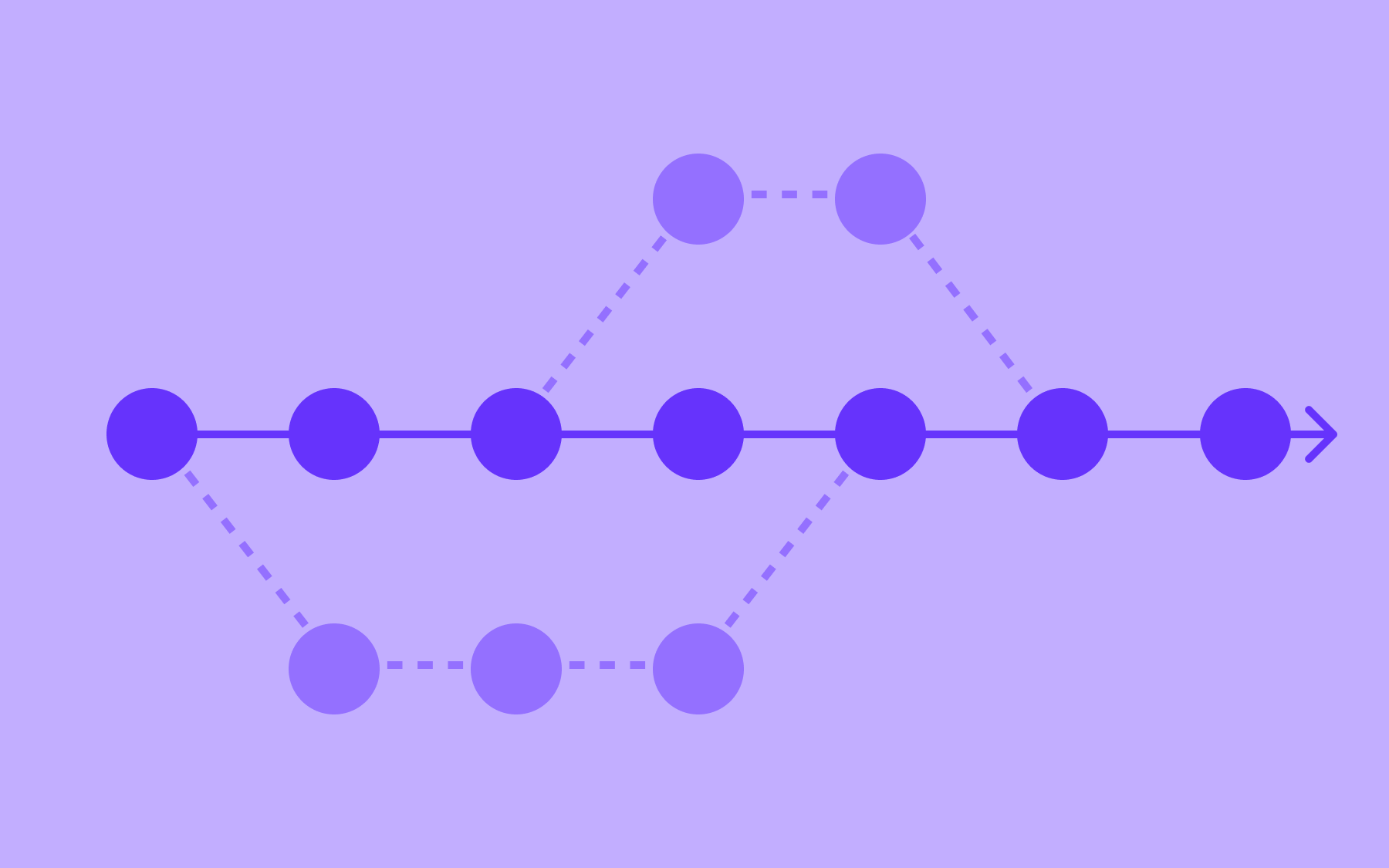
Continuous delivery is a strategy for developing where you build and test quickly and iteratively—continuous testing is a large part of the strategy. This strategy enables more frequent, smaller updates. By making incremental changes each time, there’s a reduced risk for each deployment.
Continuous delivery takes a lot of effort on the backend to enable if you don’t practice it today, but the benefits make it worth your effort. If your team has to manually roll out updates and monitor user response, it becomes challenging to continue developing and optimizing new features. The only way to be successful with continuous delivery is through a repeatable, straightforward deployment process.
How should deployment and release differ?
Continuous delivery is designed to enable deployment at any time and, according to Martin Fowler, continuous deployment requires continuous delivery. Today, it’s no longer a best practice to release features to your user base without deploying those features to a subset of users for testing first.
The same short-cycle delivery process can and should be applied to your strategy for deployment. By implementing both strategies, you’re able to reduce your risk through incremental changes, reduced costs, and frequent updates.
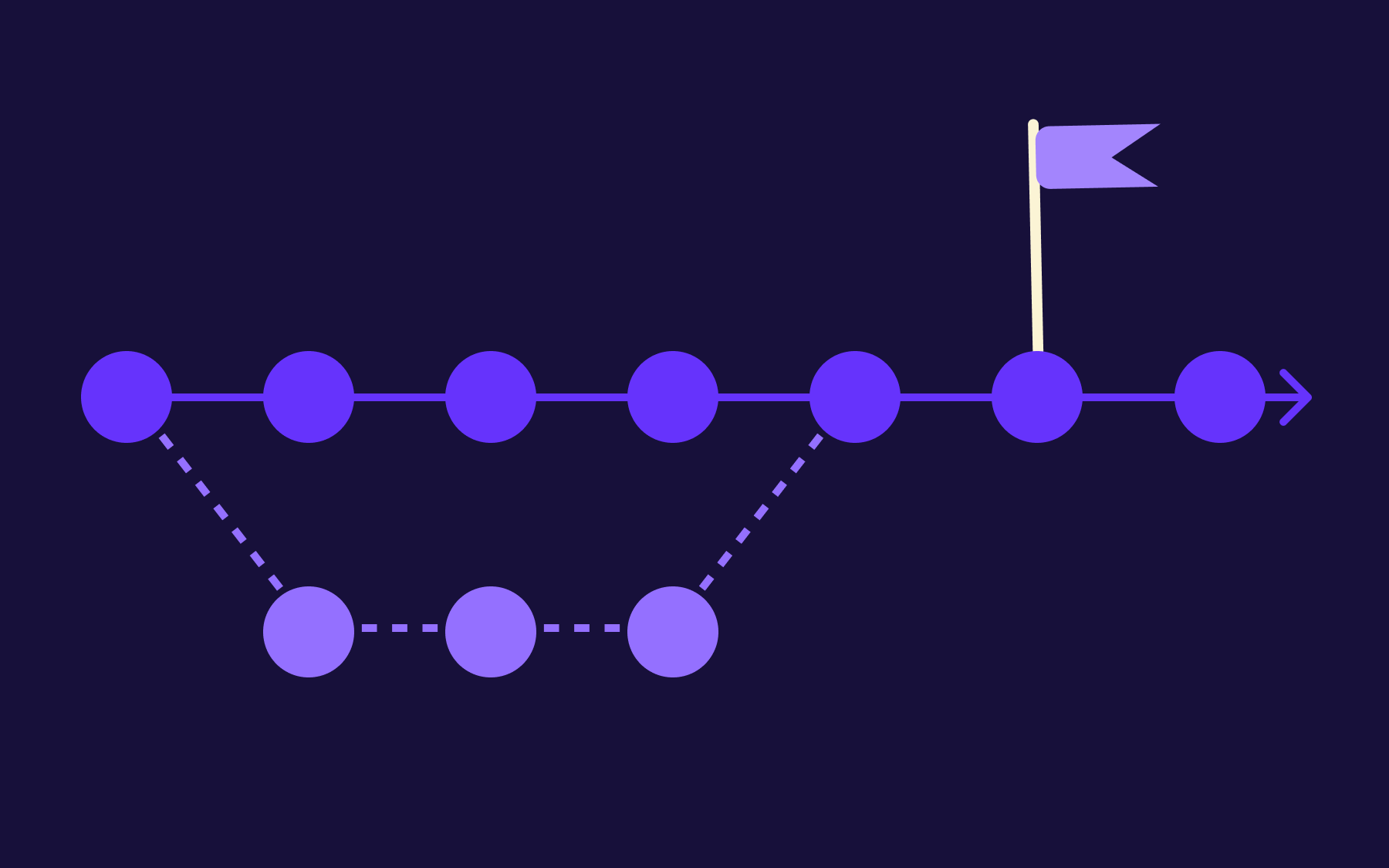
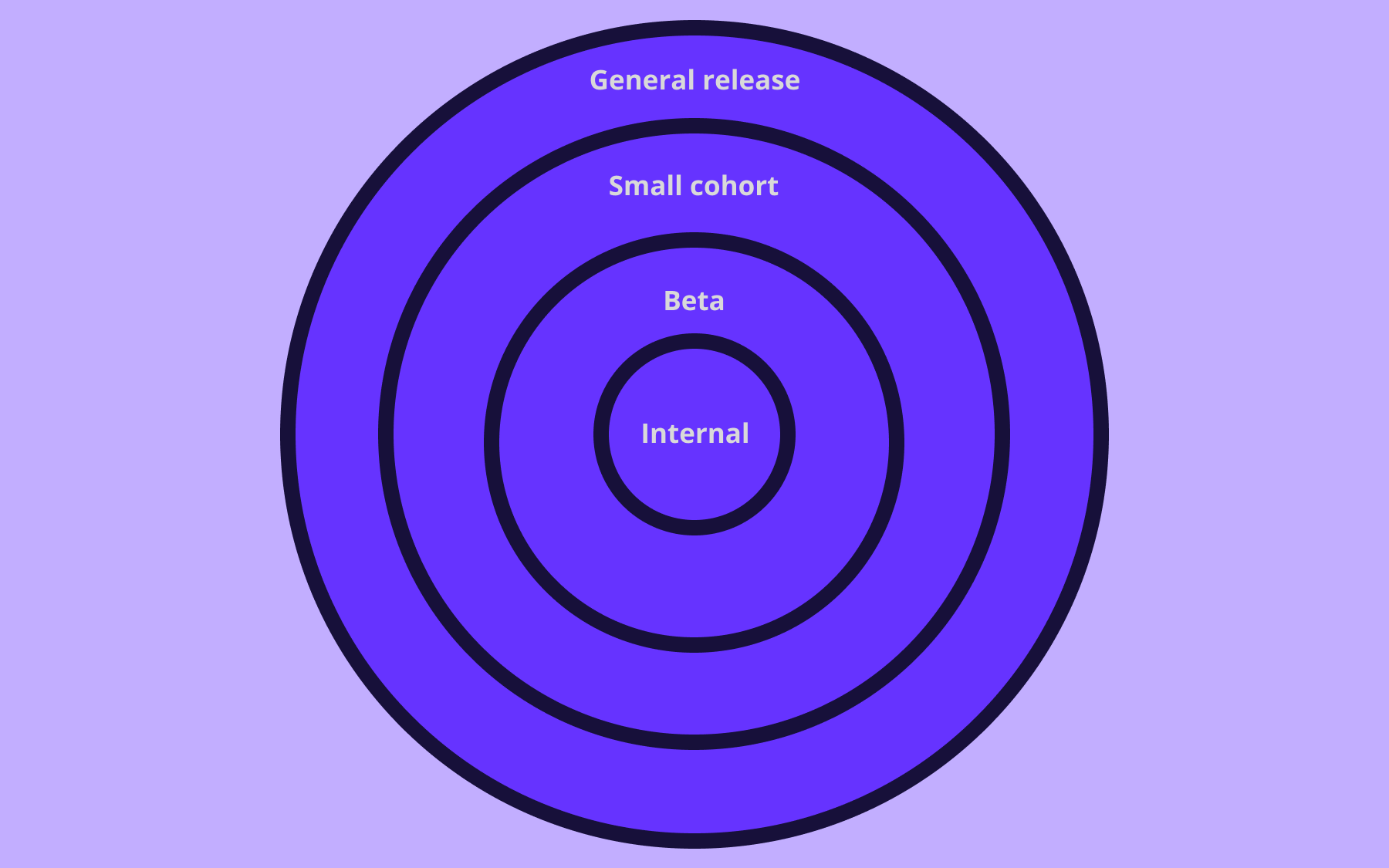
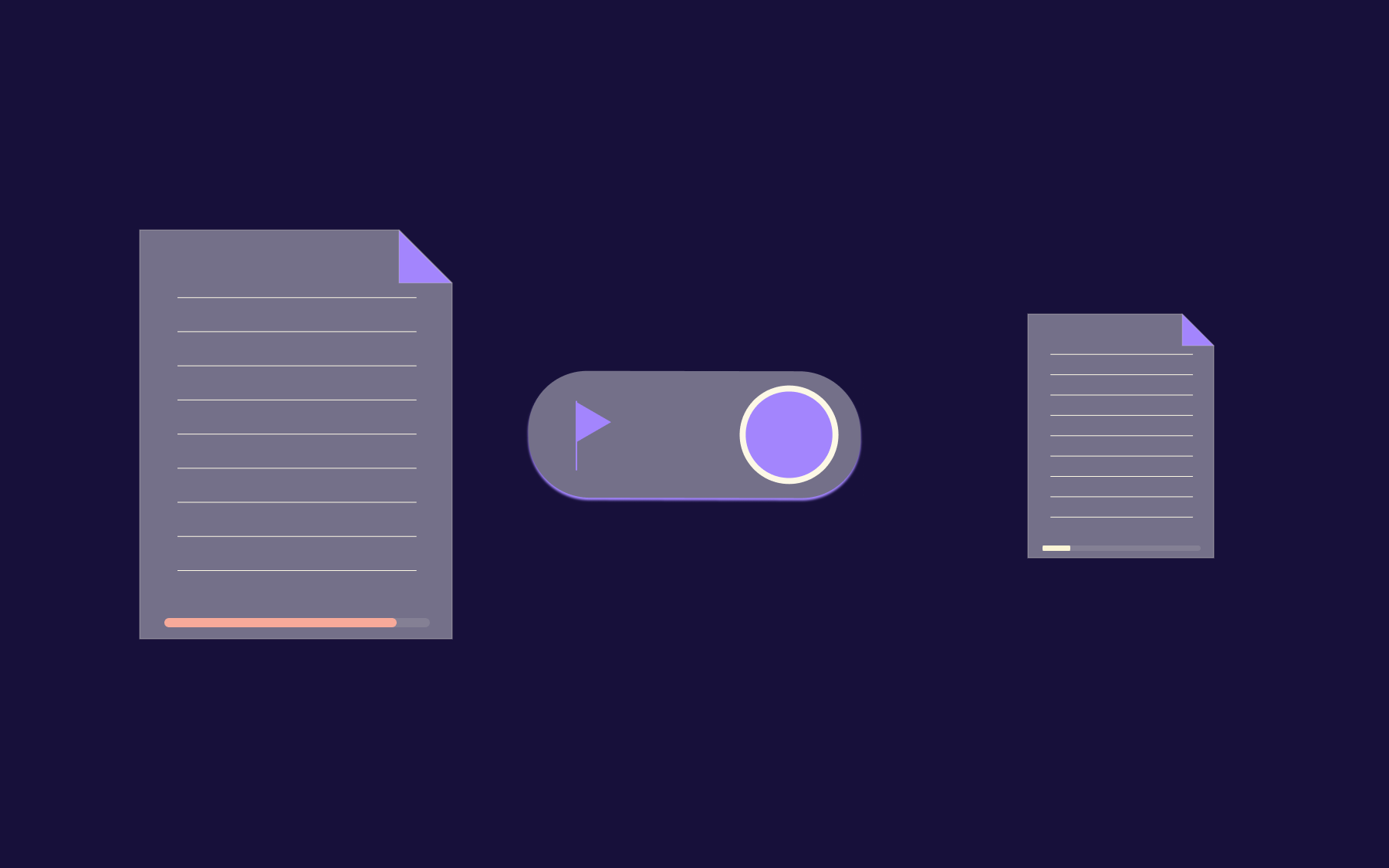
Through staged releases, you can ensure each new feature deployed performs as expected before exposing your entire user base to a risky update. This method of decoupling deployment and release makes it easier to achieve continuous deployment by deploying behind feature flags that only get toggled on when a release is scheduled.
How can feature flags help decouple deployment from release?
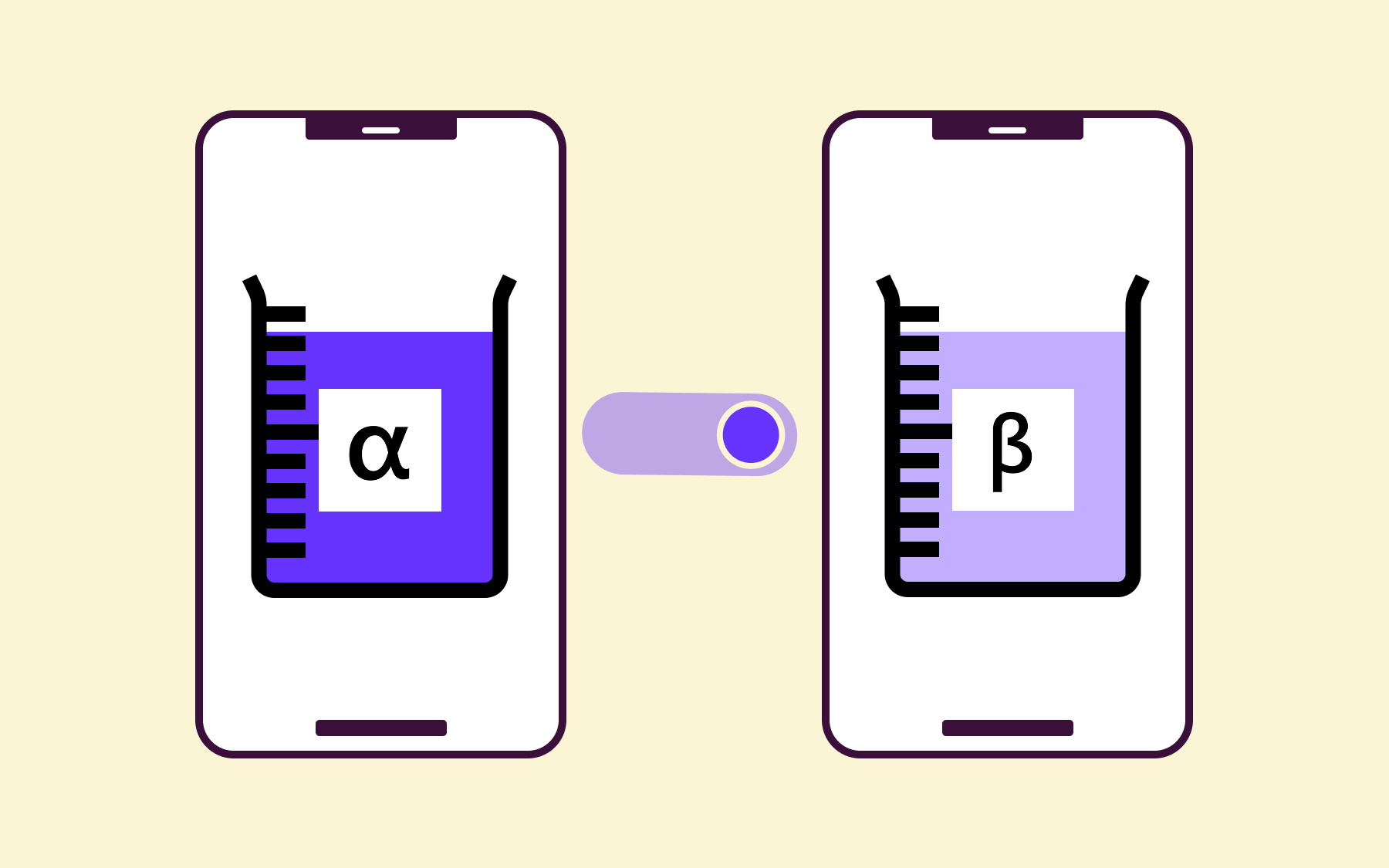
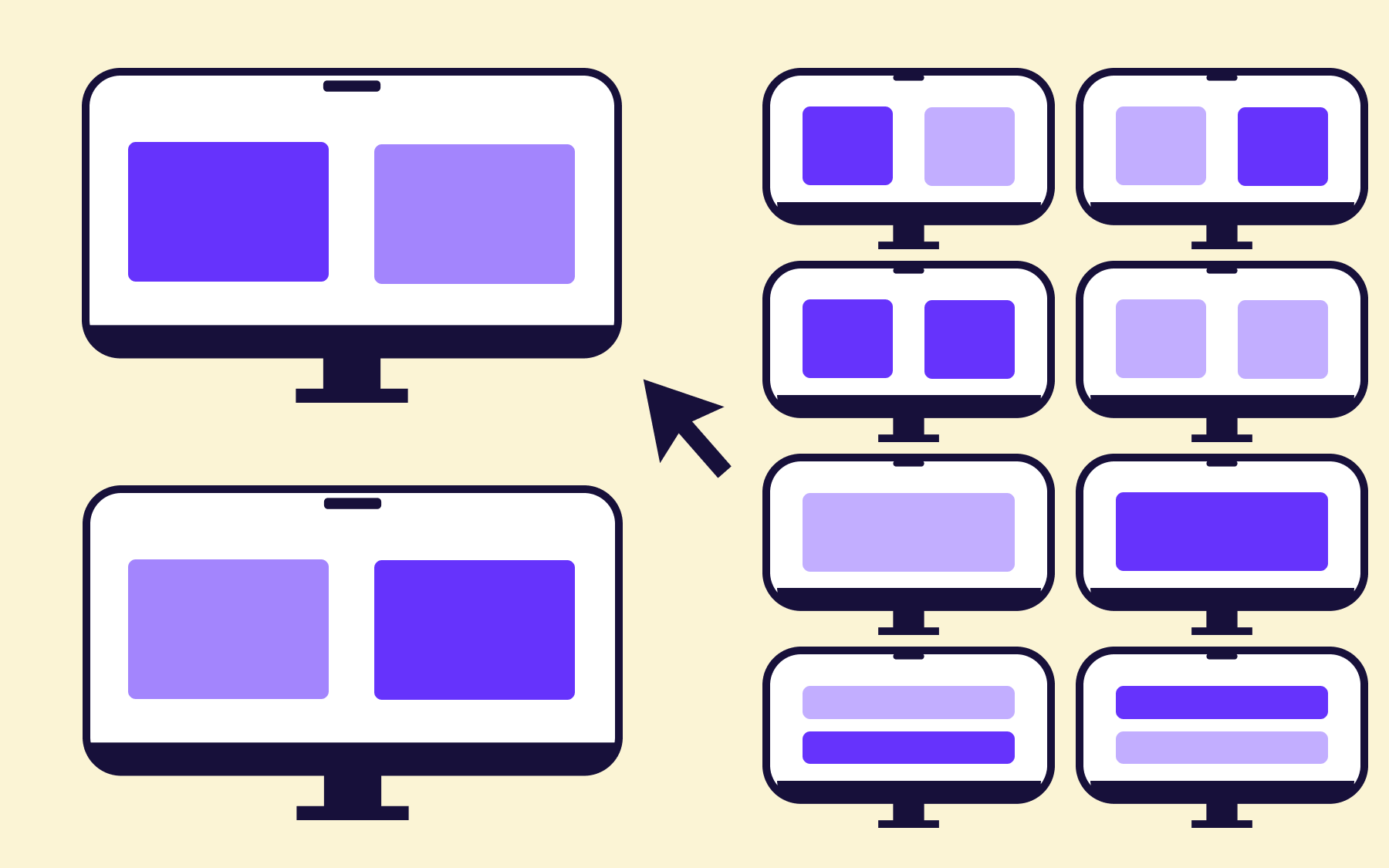
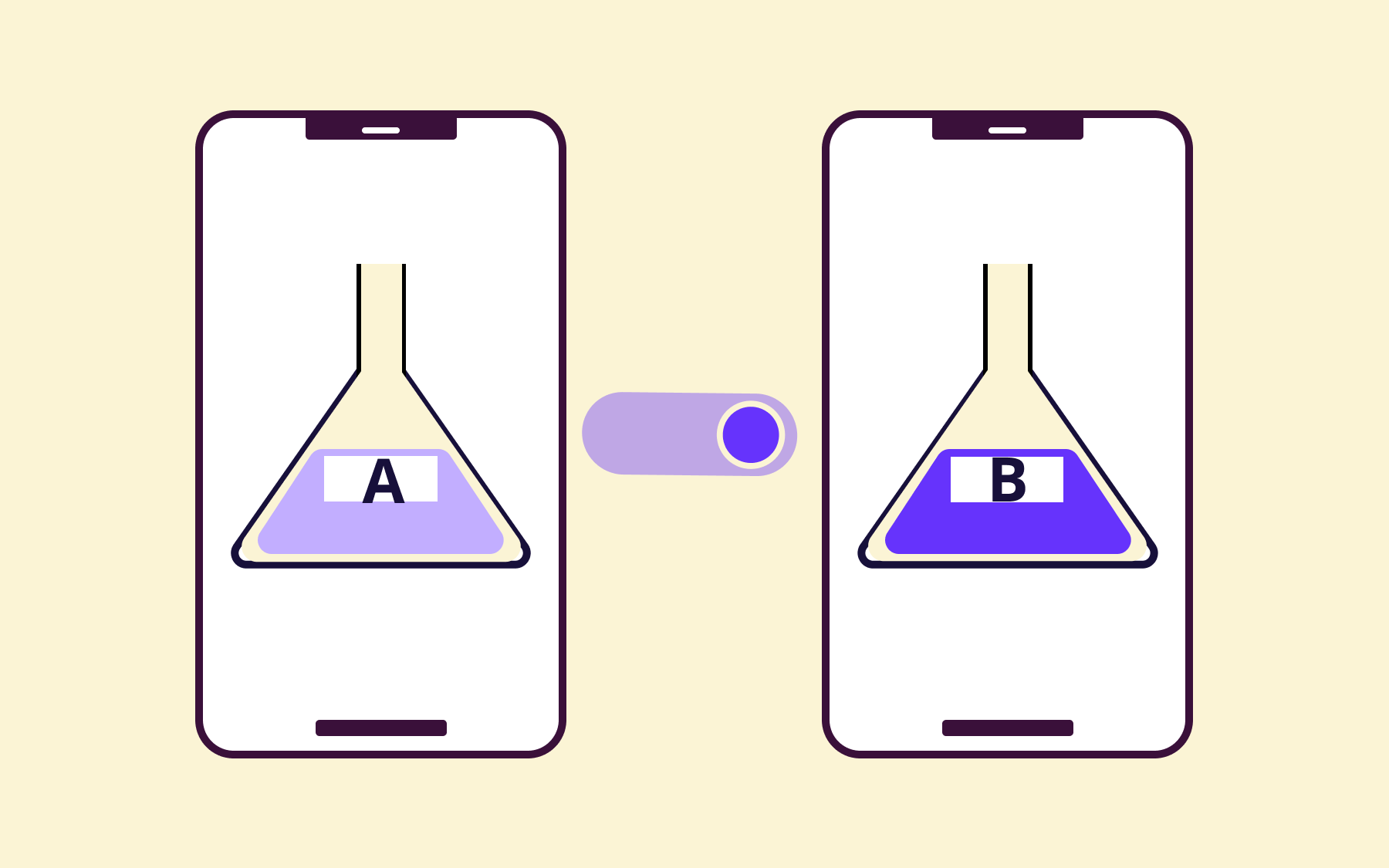
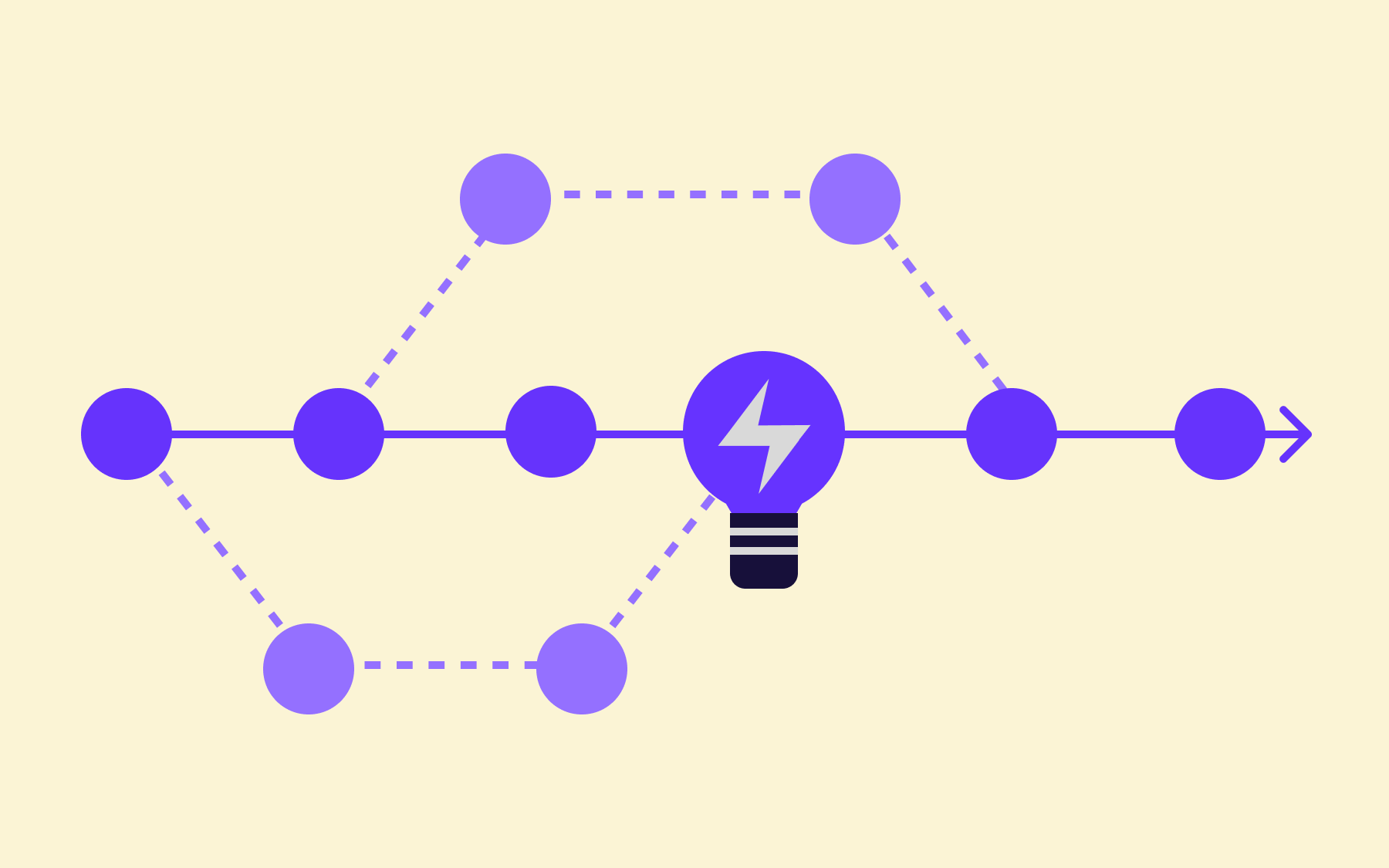
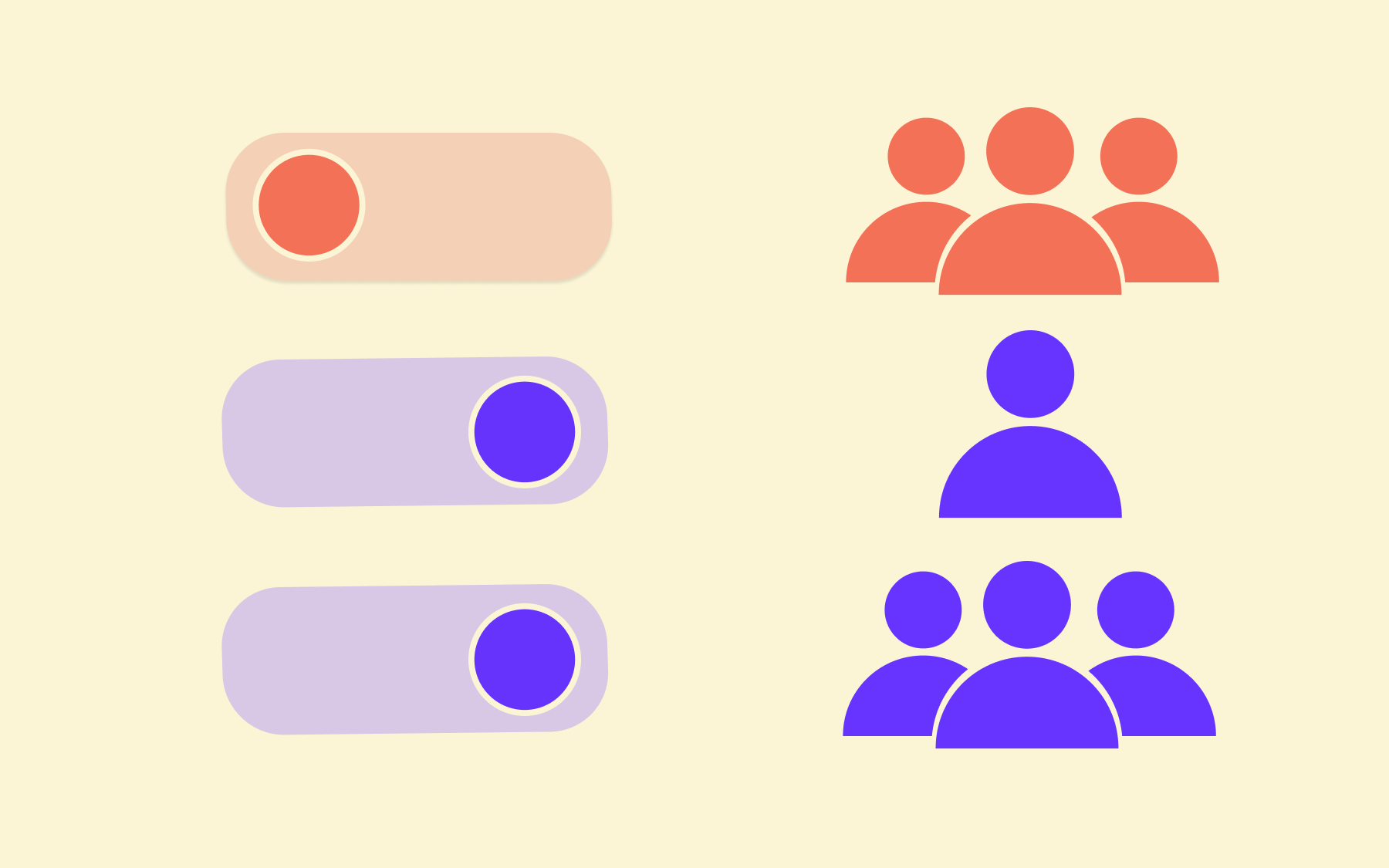
Feature flags let you segment or switch features on or off for different users or groups of users, so they make it easy to deploy features to a subset of users before releasing them to a wider user base. If something goes wrong during deployment, the feature toggle makes it easy to switch a feature back off. If your new feature is performing as expected, you can continue to deploy it to more users for volume testing before releasing it to your wider user base.
Feature flags enable no-code deployment for application updates, streamlining the process significantly. Rolling out new features with feature flags allows your team to focus their efforts on developing the product for your customers, instead of on repetitive deployment tasks.
We cover some steps to decouple deployment from release in depth in Deployment is not a release; a step-by-step example with feature flags.
Why should my team consider using feature flags?
Feature flags enable decoupled deployment and release for teams of all sizes, enabling continuous delivery. This enhances your user experience by enabling rapid update releases, ensuring you can continue meeting your users’ needs. It also improves user experience because it helps identify issues before releasing them to your entire user base.
Last but not least, a feature flag deployment strategy enables automation of the software release process, taking away the need for manual effort. By automating repeatable tasks, it’s possible to free up developer time and improve productivity.

Dogfood Testing: Why We're Running Experimentation on Our Signup Page


Feature Toggle Management: A Practical Guide for Engineering Teams


The 7 Key Phases of the Software Development Lifecycle


How to Build a Software Rollback Strategy for Your Deployments


Server Side Testing: What It Is and How to Do It Right With Feature Flags


Alpha vs. Beta Testing: What’s the Difference and When Should You Use Each?

What Is Continuous Testing: The Ultimate Guide for Dev Teams


Regression Testing: Your Safety Net Before Code Reaches Users


What Is a Software Release? The Ultimate Guide


DORA Metrics Explained: The Five Measures of Software Delivery Performance


Explaining The Ring Deployment Model: Safer Releases, Ring by Ring


Feature Flags in DevOps: What They Are, Why You Need Them


What Is a Dark Launch? The Ultimate Software Development Guide


What Is Product Lifecycle Management?


What GitLab Feature Flags Can Do for Your Release Workflow


The Engineering Team's Guide to Release Strategies That Actually Work


You Can Now Integrate Flagsmith with GitLab! Here's How You Do It


The Benefits of A/B Testing, and Why Feature Flags Make It Even Better


The Developer's Playbook for Beta Testing That Actually Works


Code References: See Exactly Where Your Feature Flags Live in Your Codebase


What Is Blue-Green Deployment? The Complete Guide


Smoke Testing Explained: Catch Build Failures Before They Reach Your Users


When Canary Alerts Go Wrong: How We Fixed It and Doubled Down on OSS


Release Testing: A Complete Guide for Development Teams


What Is a Kill Switch in Software and Why Do Developers Need Them?


How to Implement CI/CD: A Practical Implementation Guide


What Is CI/CD? A Plain-English Guide to Faster, Safer Software Delivery


Rolling Deployment Vs. Blue-Green: Which Strategy Fits Your Pipeline?


What Is Feature Management and Why Does It Matter?


What Is Trunk-Based Development? A Complete Guide


Deployment Frequency: The Metric That Reveals How Fast Your Team Really Ships


OpenTelemetry, without the vendor lock-in: Introducing full observability for Open Source and Self-Hosted Flagsmith customers

How to Migrate from LaunchDarkly to OpenFeature in 6 Steps


How Prometheus, Flagsmith, and Some Good Old-Fashioned Compression Helped Us Solve Customer Pain


Feature Flag Testing: How Enterprise Teams Build Real Product Learning Loops


Trunk-Based Development vs. Gitflow: Choosing the Right Branching Strategy


Why OpenAI Paid $1.1 Billion for a Feature Flag Company


The Engineering Leader's Guide to Scaling Feature Flags


6 Tips to Reduce and Manage Technical Debt in 2026


Three teams. Eight hours. Three amazing features: Flagsmith’s 2026 Lisbon Offsite and Hackathon


Vibe Coding and Feature Flags: The New PM Playbook for Faster Product Validation


10 Best Practices to Build and Ship AI Features With Minimal Risk


Tracking Feature Flag Changes and Evaluation with Flagsmith and Sentry


We Built Our Own MCP Server for Engineers & Release Managers



7 PostHog Alternatives for Feature Flag Management


Why LaunchDarkly Went Dark During the AWS Outage—And Why Flagsmith Didn’t


Statsig Alternatives: 8 Best Feature Flag Platforms Compared


Integrating Datadog Workflows with Flagsmith for Automated Reliability


Progressive Delivery for Building LLM-Powered Features


What is the Four Eyes Principle? A Developer's Guide to Safer Flag Changes


De-Risking AI Adoption: How Feature Flags Help Enterprises Move Fast Without Breaking Trust


Monitoring Feature Flag Performance with Flagsmith, Prometheus, and Grafana


What is Release Management and How Does it Work in Regulated Industries?


Banking and Modern Observability: Dynatrace Insights


No More Hardening Phases: Testing in the Age of Continuous Deployment


How Modernisation is Changing Open Source Banking


Use Grafana to Track Feature Health in Flagsmith


6 Lessons From the World's Best Open-Source Founders


Feature Toggles and Feature Flags: Understanding the Key Differences


8 Types of Deployment Strategies (And How Feature Flags Help)


Moving to Progressive Delivery with Feature Flags


Top 7 Feature Flag Tools for Enterprises in 2026


Moving Fast, Without Breaking Things: Modern Software Delivery with Feature Flags


TypeScript Feature Flags: A Next.js Example


Embracing Modernisation in Banking Through Platform Engineering


Transitioning to Modern Authorisation Management


What Are Feature Flags? Everything Engineering Teams Need to Know


A Conversation with Komerční Banka's Chief Software Architect


GitOps for Feature Flags Using Terraform and Terrateam


Why It’s Time to Test in Production: Best Practices


How We Improved Our Docker Image Security Using Chainguard's Wolfi


6 Best Enterprise-Grade Harness Alternatives & Competitors


How to Roll out Pricing Changes With Zero Customer Complaints


How to Use Feature Flags for Trunk-Based Development


7 Best LaunchDarkly Alternatives & Competitors


How Global Banks Use Feature Flags to Stay Competitive


How To Guide: Flagsmith Grafana Integration


New in Flagsmith: 2024 Feature Roundup


Don’t Let a Flawed Release Take Your Company Down


How to Guide: Flagsmith GitHub Integration


6 Best Firebase Remote Config Alternatives & Competitors


How to Transition to Modern Feature Management in Banking


5 Feature Flag Management Pitfalls To Avoid To Keep Your Flags in Check

.png)
The Best Thing about Founding a Remote-First Company? Pickled Onion Monster Munch and The Beautiful Game

.png)
Flagsmith Jira Integration Guide: A Comprehensive How-to Guide

.png)
Guide: How to Create Observability-Driven Development with Feature Flags

.png)
Build vs. Buy for Feature Flags: My Experience as a CTO with a 20+ Engineer Team


Announcing the Flagsmith Referral Programme

.png)
How We Measure Feature Flags’ Success


Customer Story: Serenis

.png)
Announcing the Flagsmith Jira Integration


Spring Boot Feature Flags: A Step-by-Step Implementation Guide with a Working Java Spring Boot Application


Employees on Bootstrapping


Our POV: When Bootstrapping Works (and When It Doesn't)

How to Onboard Feature Flag Management Tools

When is it time to move to feature flag software?

Why We Bootstrap


The Enshittification of Basically all Digital Design. But in this Case, Specifically, the Slack Redesign.


Ruby Feature Flags: A Step-by-Step Guide to Implementing Feature Flags in a Ruby on Rails Application

Unlocking Efficiency: Transitioning to Modern CI Processes

.webp)