What is Canary Deployment? When and How To Use It Effectively


Canary deployment is a release strategy where you ship a new version of your software to a small subset of users before rolling it out to everyone else. If something's wrong, only that small group sees it, and you find out before the whole user base does.
This guide covers the meaning of canary deployment, when to use one, how it stacks up against blue-green deployment, how to implement canary deployment for microservices safely, and where feature flags remove most of the infrastructure work a canary release usually demands.
What is a canary deployment?
A canary deployment, sometimes called a phased rollout or incremental release, is a deployment technique that exposes a new feature or version to a small subset of users in production before exposing it to everyone else. It's a deliberate, controlled way to test a new software version against real traffic, rather than exposing the whole user base to a single release.
The name comes from coal mining. Until the 1980s, miners in the UK, Australia, Canada, and the US carried caged canaries into the mine as an early warning system for gases like carbon monoxide.
The bird reacted to toxic gases long before a person could sense them, giving miners time to get out. No canaries are harmed in a canary deployment, but you can see why they use that name: expose a small, expendable slice of your traffic first, and let it warn you before a problem reaches everyone.
What sets a canary deployment apart from a full rollout is the pause between exposing a change to a few users and exposing it to everyone. During that pause, you can monitor error rates, track latency data, gather user feedback, and decide whether to push forward or pull back.
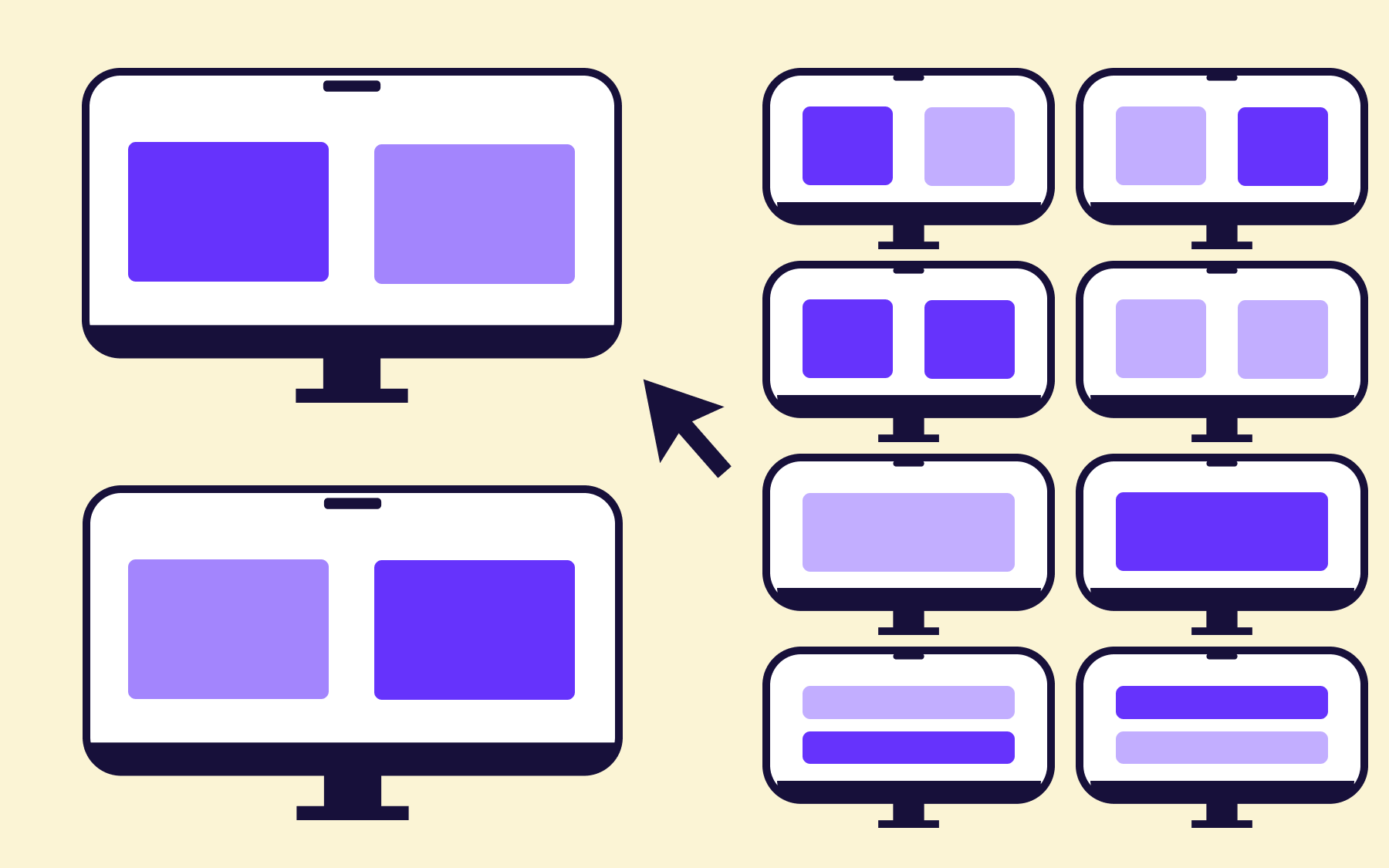
That canary sub-segment can be, say, 1% of your customer base chosen randomly, a segment of your users who have self-identified as Beta testers, or could follow some other logic that you apply.
When to use a canary deployment
Canary deployment is a must for any change sitting in your critical path, where a mistake is expensive and highly visible.
It's also useful for lower-stakes experiments and new features you're not fully confident in yet, so don't reserve it only for the scary changes. Regardless of how technically difficult a change might be, what's important is how expensive being wrong would be, and how quickly you need to notice.
Take an e-commerce company moving its payment gateway from Braintree to Stripe. Checkout is the most vital part of that business's critical path, and a single glitch there directly costs money and trust.
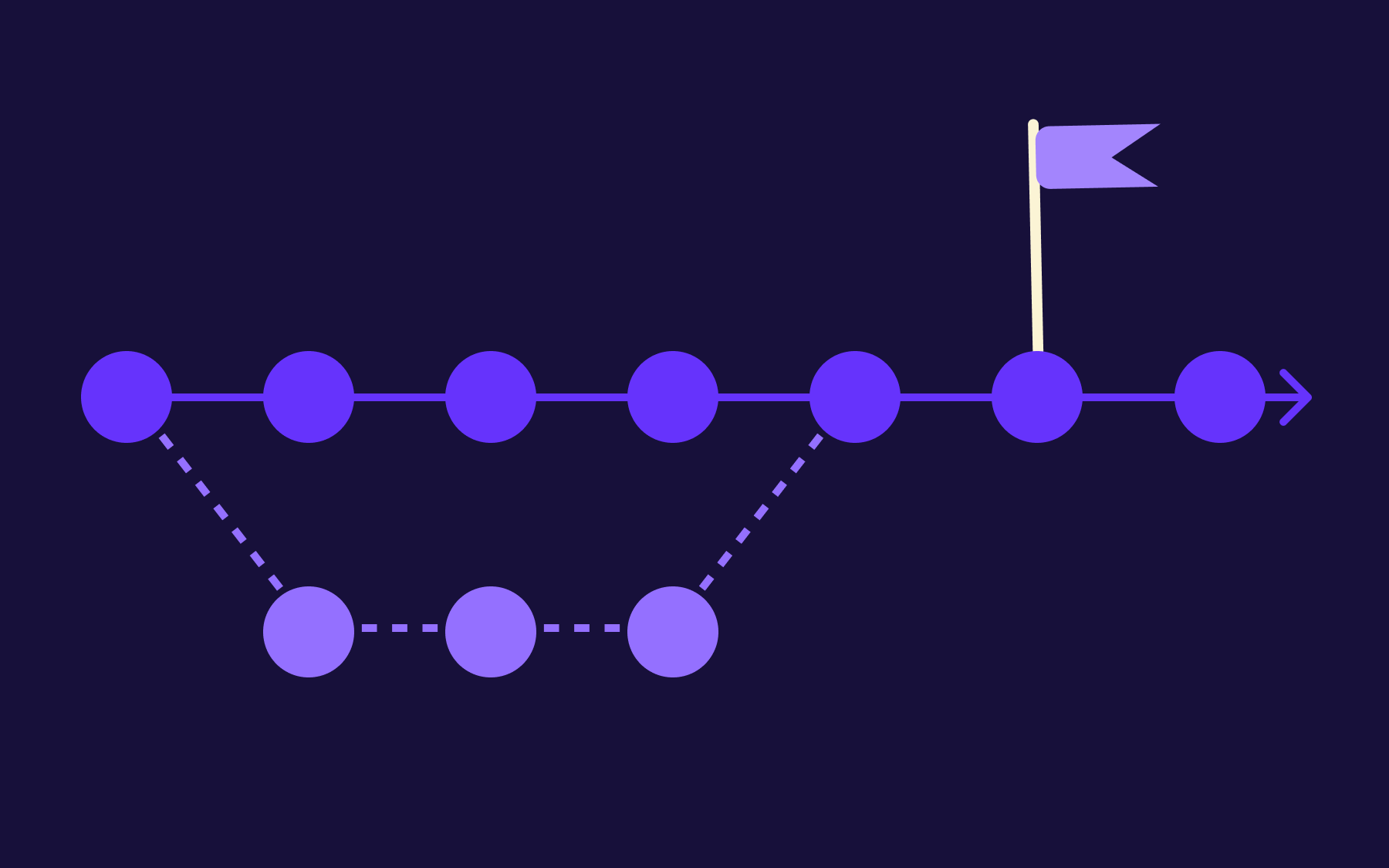
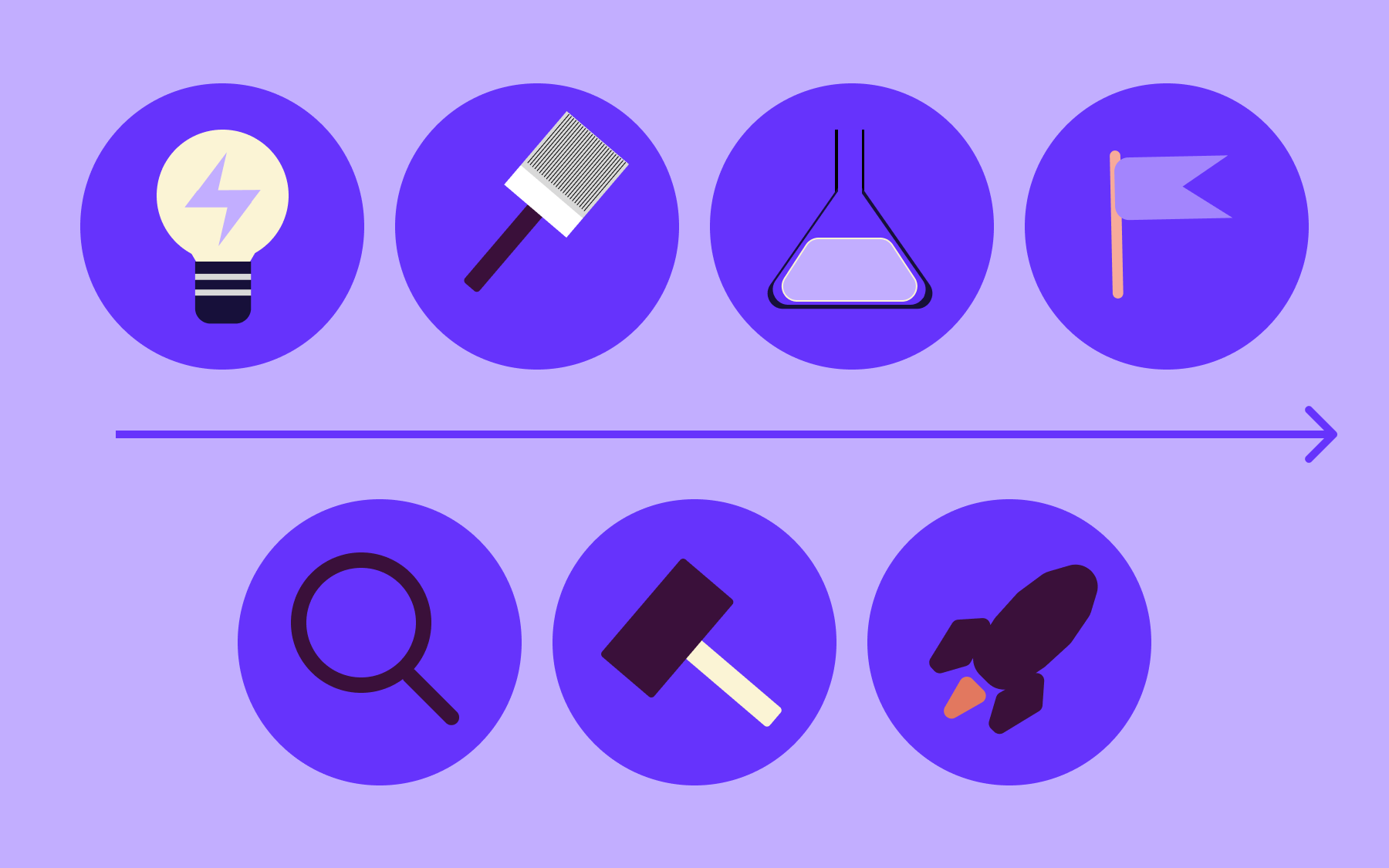
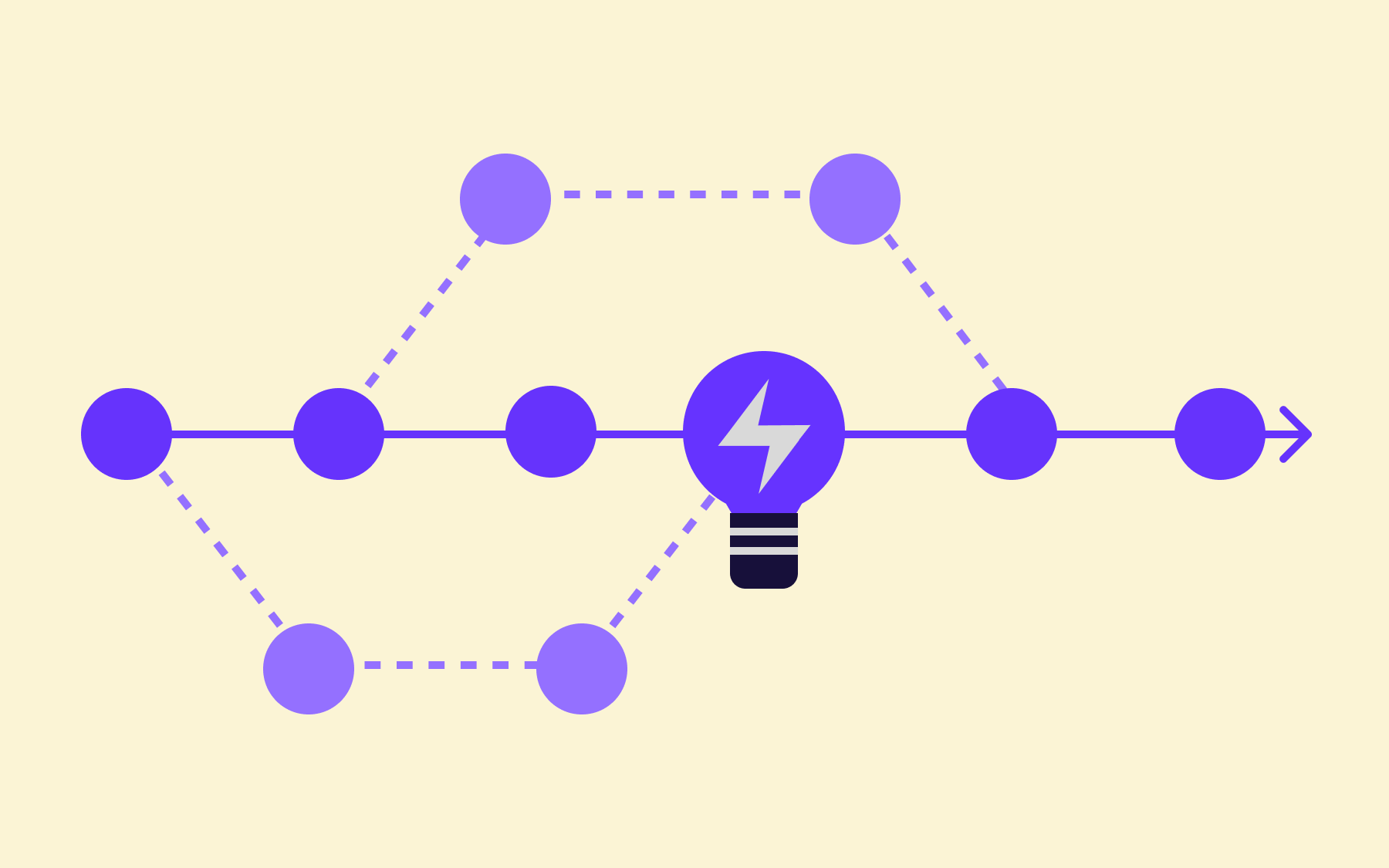
A canary deployment lets the team de-risk the switch by rolling out in stages:
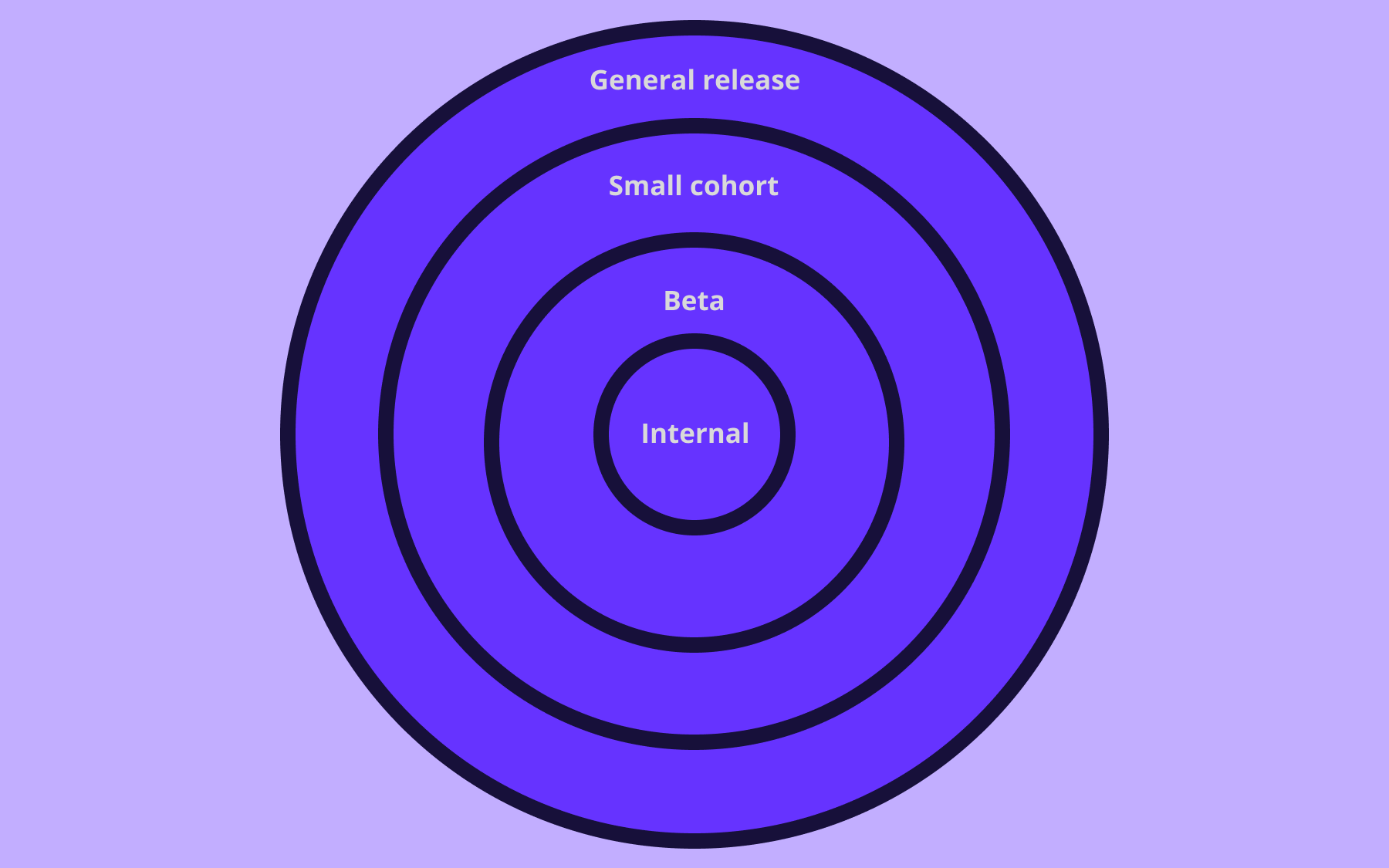
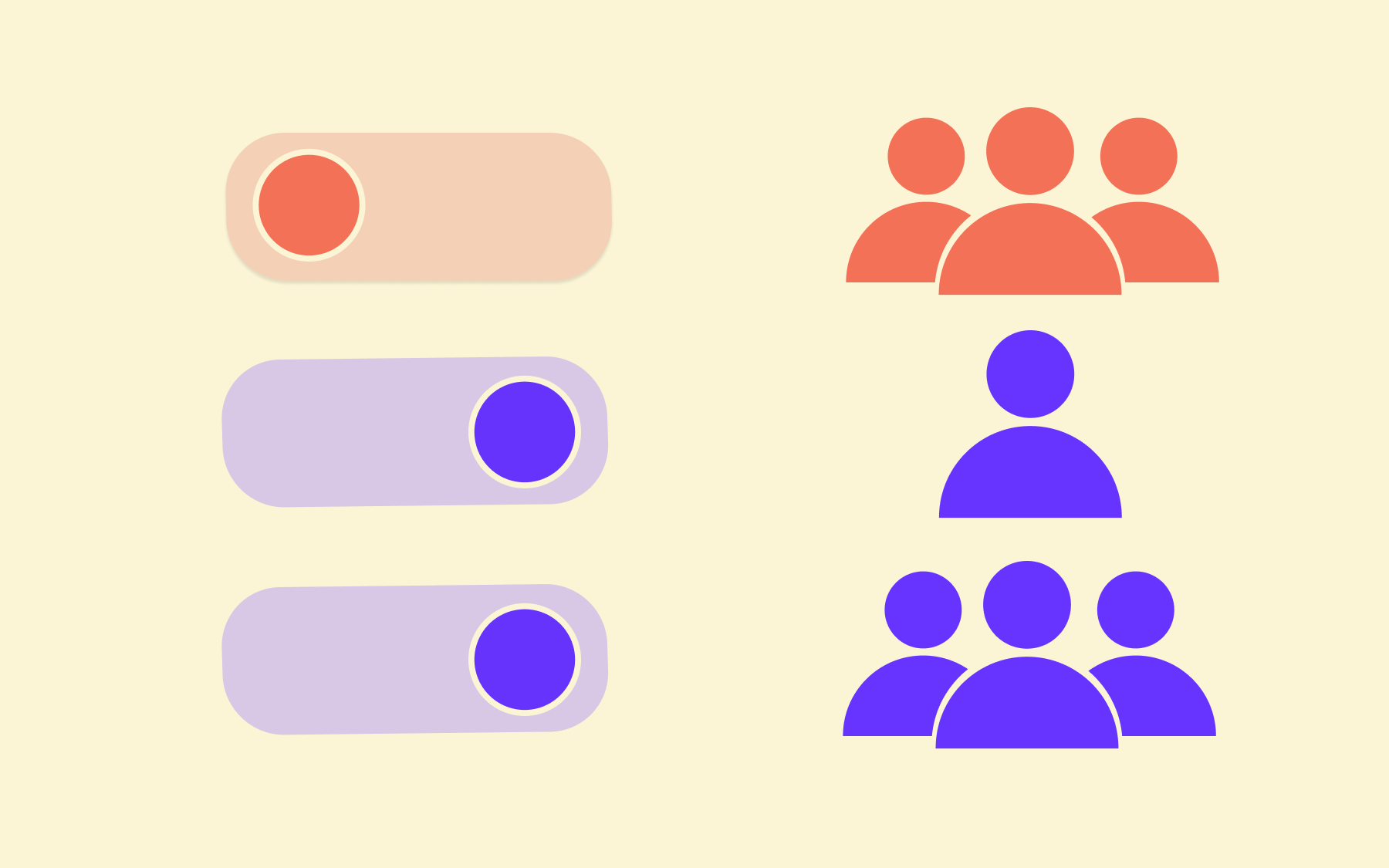
- The team that built it. Deploy the new Stripe integration to production, but release it only to the engineers who built the integration, separating deployment from release entirely.
- Internal staff. Once the team clears the first stage, open it up to everyone at the company, identified by email domain or office IP address.
- A small customer slice. Route 1% of real customers to Stripe while the other 99% stay on Braintree, and watch what happens.
- An even split. Gradually shift the balance to 50/50 as confidence builds, fixing any bugs along the way without touching the other half of the user base.
- Full rollout. Once Stripe handles 100% of traffic without issues, the old Braintree integration can be retired.
That kind of staged rollout doesn't only belong to companies with millions of customers, although well-known examples include Facebook using canary deployment for its mobile app releases, and Google shipping features like Calendar's time-insights view to some users days ahead of others.
The scale changes; the logic doesn't. Even a team with a few hundred users gets real value from testing a new feature against genuine production traffic before it reaches everyone.
Canary deployment vs. blue-green deployment: which is better?
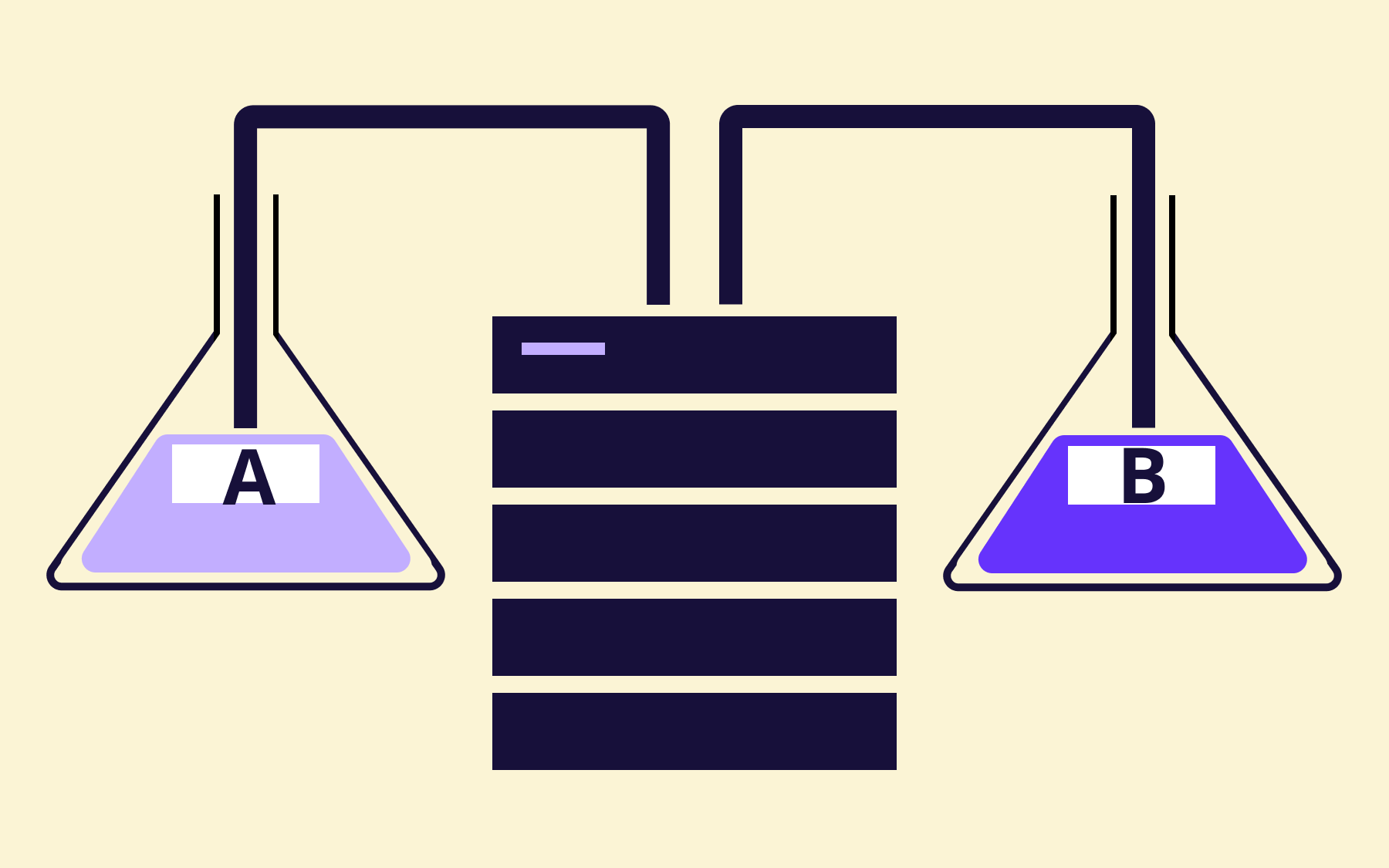
Blue-green deployment runs two identical production environments, blue and green. One serves live traffic while the other receives the new version, and once it's ready, traffic switches over all at once.
Canary deployment takes the opposite approach: instead of an instant, all-or-nothing cutover, it exposes the new version to a small percentage of traffic and grows that percentage gradually.
The table above captures the key differences, but one isn't better than the other. Blue-green is the right process for changes where you need a fast, complete cutover, like an infrastructure migration where running two partial versions side by side isn't practical.
Canary is the right process for changes where gradual validation and real user feedback are more important than speed. Plenty of mature engineering teams run both, picking whichever fits the specific change in front of them rather than standardising on one strategy for everything.
Rolling deployments are a third strategy worth mentioning, replacing instances one at a time rather than switching everything in one go.
How canary deployments work: infrastructure-level vs. feature flags
There are two ways to run a canary deployment, and they sit at different layers of your stack.
- At the infrastructure level
The first works at the infrastructure level, controlling traffic through a load balancer or service mesh as part of your deployment pipeline.
Platforms like Google Cloud Run let you route a defined percentage of traffic to a newly deployed version, while AWS Elastic Beanstalk supports similar traffic splitting.
This way typically needs a DevOps or SRE team already comfortable with load balancers and service mesh configuration, on top of whatever deployment tooling sits underneath it all. Some teams run something similar inside a Kubernetes cluster, using an ingress controller's traffic-splitting rules to send a defined slice of requests to the new pods.
Whichever platform you use, the practice of watching error rates and latency at each stage to decide whether to keep ramping up has a name: canary analysis.
Canary analysis turns a percentage number into an actual go or no-go decision, as part of a broader continuous delivery process instead of a one-off judgement call.
- At the code level
The second works at the code level. Instead of deploying two versions of your infrastructure, you deploy one version of your code with the new feature wrapped in a flag, then control who sees it through the flag rather than through routing rules.
The new code ships to 100% of production while staying invisible to users, separating deployment from release so a developer can turn a feature on for a slice of users without touching infrastructure at all.
Using the example earlier in this guide, a multivariate flag can route 5% of identified users to the new Stripe integration and 95% to Braintree, with each user consistently landing on the same side of that split. Changing those percentages is a configuration change rather than a redeploy.
Feature flags don't replace infrastructure-level canary for everything. Database migrations and dependency upgrades, along with anything else below the application layer, still need the infrastructure approach.
For application-level logic, though, flags remove most of the setup infrastructure canary usually demands.
How to implement canary deployment for microservices safely
Microservices raise the stakes on a canary deployment: a bad canary in one service can ripple into every service that depends on it. A safe rollout follows roughly the same shape each time:
- Pick a safe starting slice. Start with internal users or a narrow, low-risk segment rather than random production traffic, so the first signal comes from people who can tolerate a rough edge.
- Define your health signals upfront. Decide which error rates and latency thresholds, along with which business metrics, would tell you something's wrong before the canary goes live, not while you're staring at a dashboard trying to decide.
- Set a ramp schedule. Agree on how you'll move from 1% to 5% to 50% to 100%, and roughly how long you'll hold at each stage before moving on.
- Isolate the blast radius. In a microservices setup specifically, the canary version of one service has to stay compatible with the stable versions of every service calling it, so a schema or contract change needs its own compatibility plan alongside the traffic plan.
- Decide the rollback plan before you start. Know exactly how you'll pull back, whether that's rerouting traffic or flipping a flag, so you don't end up under pressure when you make the decision for the first time.
None of this needs exotic tooling. Most teams that get canary deployment right for microservices aren't running anything unusual—they're just disciplined about these five steps every time, rather than skipping straight to 100% because a change looks safe.
For microservices, it's safer to target by segment or identity than a random percentage split, especially for a service with a small or specific user base.
Canary-ing a new recommendation service to a segment of beta testers, for instance, gives you a group that expects rough edges and can give direct feedback, rather than a random 1% of your entire user base who didn't sign up to test anything.
The benefits of canary deployment
Beyond reducing risk, canary deployment has some clear benefits to the release process.
- Capacity testing. You can estimate the resources a new service needs, then divert a small percentage of production traffic to confirm those assumptions before committing fully. Any bottleneck shows up early, while you can still turn traffic back to 0% and fix it without wider impact.
- Early feedback. Staging environments can only tell you so much. Real production traffic surfaces edge cases that staging never will, and a canary release gets you that feedback from a small slice of users rather than your whole user base at once.
- Easy rollback. A canary deployment doubles as a safety net. If a bug shows up in the new version, rolling back can be as simple as changing a flag's value back to the previous state, rather than re-running a full deployment.
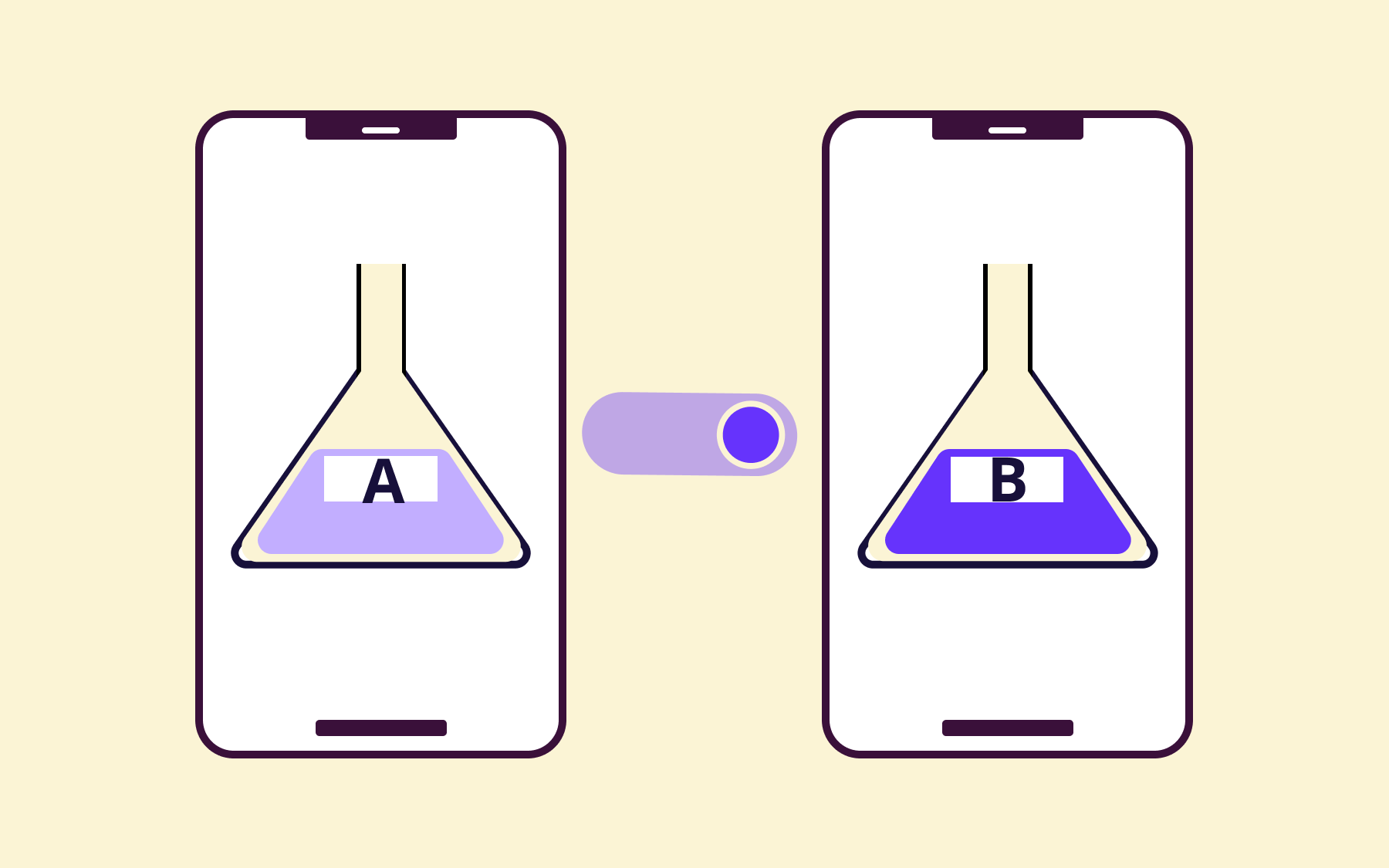
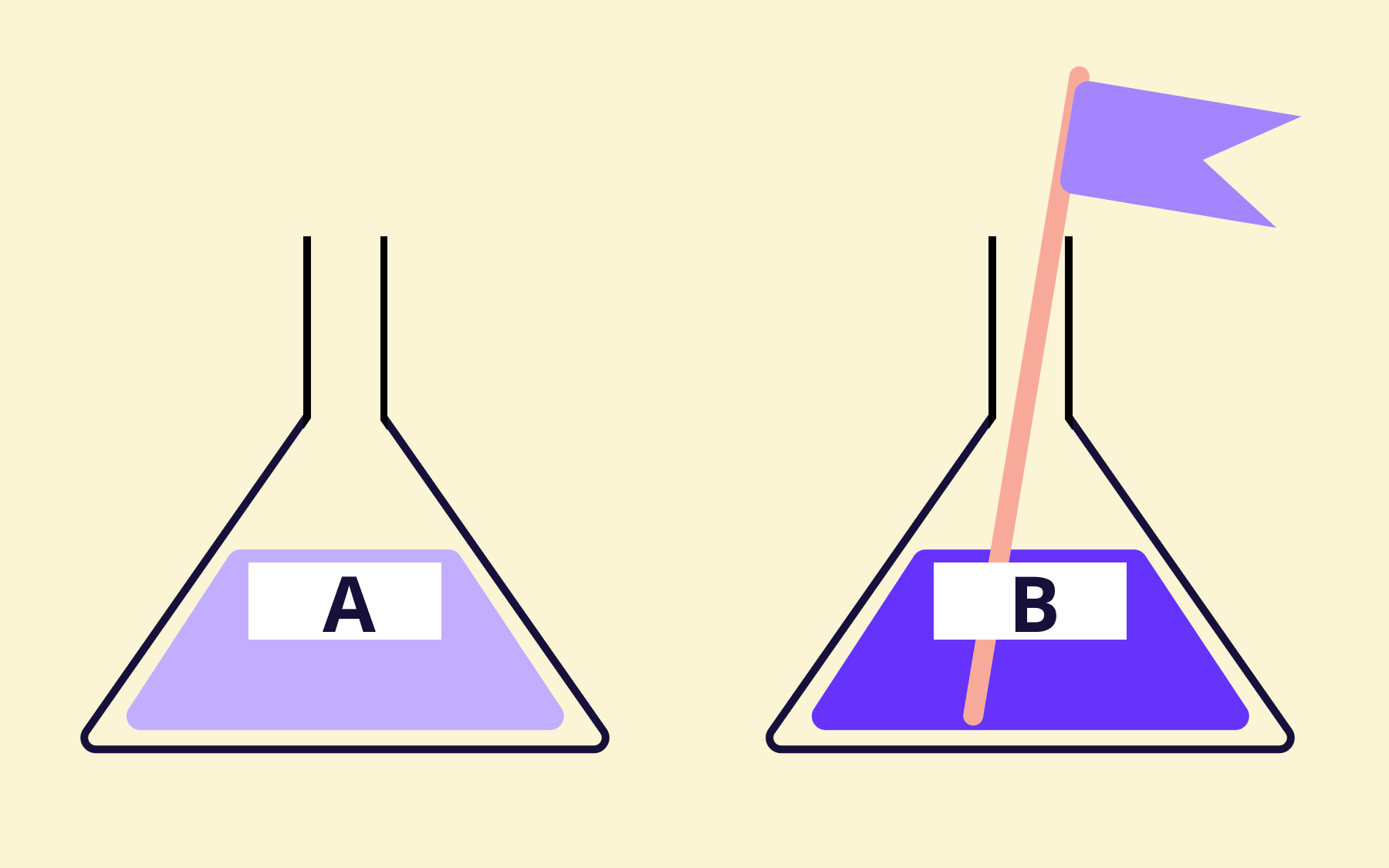
- Overlap with A/B testing. Serving two versions to different user groups naturally sets up a comparison between them. A/B testing and canary deployment aren't the same thing, though. Canary deployment exists to reduce release risk; A/B testing exists to measure which version performs better. A canary rollout creates the conditions to run an A/B test, but running one doesn't automatically mean you're experimenting.
The downsides of canary deployment, and the best strategies to reduce the risk
Canary deployment isn't free. It typically adds infrastructure to manage the traffic splitting and versioning, and management overhead, since someone, usually an engineering team, has to set up and maintain the rollout mechanics for whoever wants to ship a canary release.
There are a few ways to bring that overhead down without giving up the safety canary deployment provides:
- Run it through feature flags. A flag-based canary removes most of the infrastructure work, since the rollout logic lives in your application rather than your load balancer configuration.
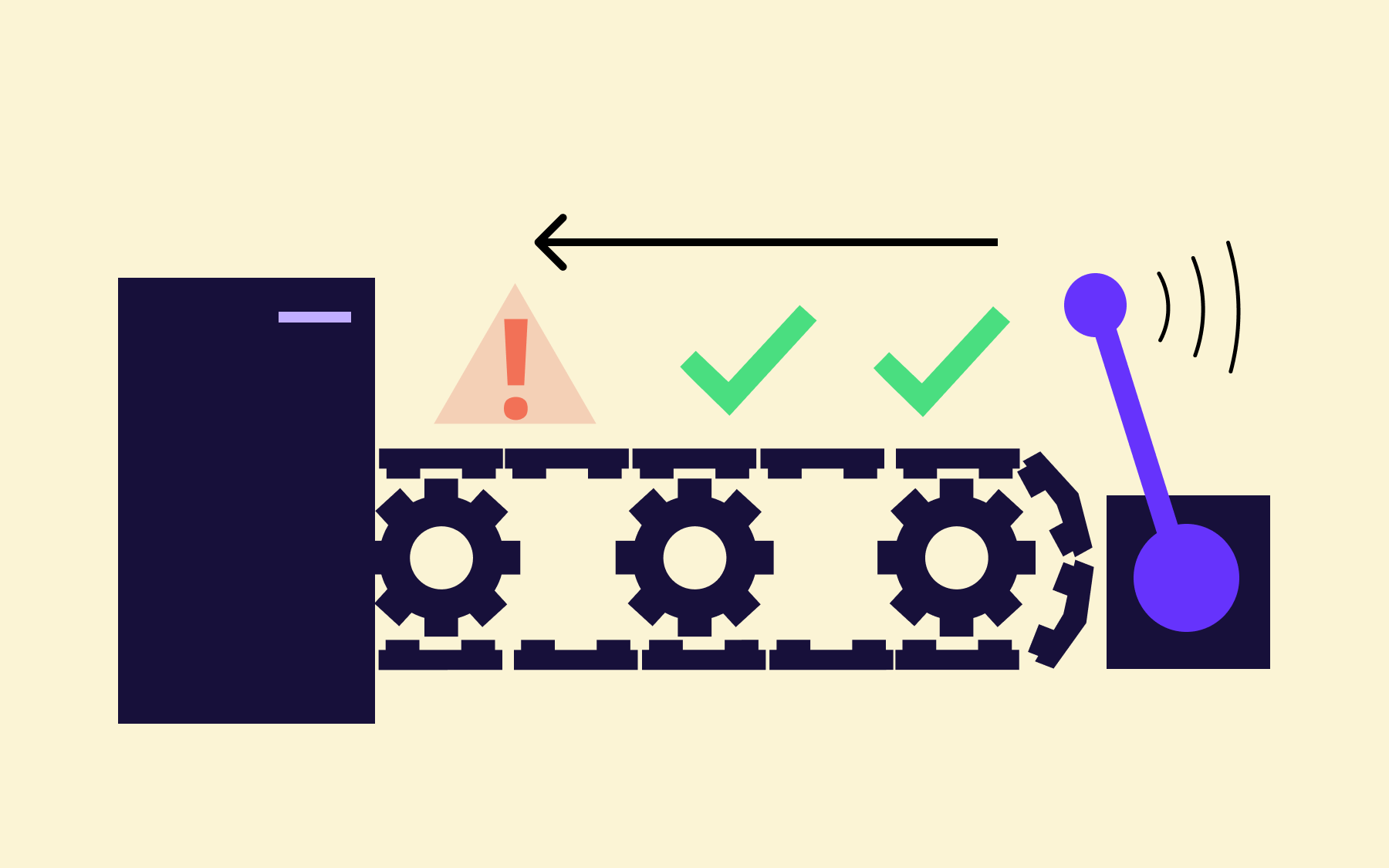
- Pair it with a kill switch. Combining a gradual percentage rollout with a kill switch on the same flag means a bad canary can be shut off instantly, limiting user impact without waiting on a new deployment to reverse it.
- Let non-engineers own the rollout percentage. Once the flag exists, moving a rollout from 1% to 5% to 50% is a configuration change a product manager can make directly through a straightforward user interface, adjusting the traffic distribution without opening a pull request and freeing engineers from being the bottleneck on every rollout decision.
- Keep a record of who changed what. You need every flag change to land in an audit log, as the regulated team will at some point need to review why a rollout moved and who approved it.
Together, progressive delivery boils down to these strategies when it comes to application-level changes. They don't remove the need for infrastructure-level canary when the change touches a database or a dependency below your application code.
Conclusion
Canary deployment gives you fine-grained control over who sees a new feature or software release, and it lowers the odds of a buggy version reaching your entire user base at once.
Whether you run it through your infrastructure or through feature flags, the principle remains the same: expose the risk to a small, controlled group first, detect problems while they're still small, and let their experience tell you whether to keep going or fall back to the previous version.
Handled well, that process protects against downtime and keeps people experiencing your release firsthand.
If you want to run canary releases without building the infrastructure yourself, sign up for Flagsmith and try a staged rollout on your own application.
Canary deployment FAQs
Is canary deployment the same as A/B testing?
They're related but not the same. Canary deployment is a release strategy built to reduce risk; A/B testing is an experimentation technique built to compare which version performs better. A canary rollout creates the conditions to run an A/B test, but the two serve different goals.
How long should a canary deployment run before a full rollout?
There's no fixed number. It depends on your traffic volume and risk tolerance, and on how quickly each stage produces enough data to trust.
A high-traffic service might clear each stage in hours, while a lower-traffic or higher-stakes change might hold at 1% or 5% for days or weeks.
As a rough guide, hold each stage long enough to collect a genuinely meaningful sample of the metric you care about, not just a fixed number of hours out of habit.
Can you do a canary deployment without a dedicated DevOps team?
Yes, when the rollout logic lives in your application code through feature flags rather than in your infrastructure. A developer can control the rollout percentage directly, without configuring a load balancer or service mesh.






































OpenTelemetry, without the vendor lock-in: Introducing full observability for Open Source and Self-Hosted Flagsmith customers